Arteriosclerosis
Arteriosclerosis is a condition that involves narrowing or hardening of the arteries. It occurs when cholesterol accumulates along the walls of the arteries and causes obstruction of the blood vessels. Arterial hardening mainly occurs when an individual has been on a diet with unhealthily high levels of cholesterol. Blockages in the arteries can increase the risk of heart failure. In fact, this is one of the main causes of death in many urban societies today. High levels of cholesterol in the blood may also be associated with age and emotional stress. Arteriosclerosis is seen to occur in individuals who live a largely sedentary lifestyle. Individuals with poor eating habits, those who smoke and drink too much alcohol may also be at risk for the disease. An extreme type of arteriosclerosis is atherosclerosis in which the accumulated cholesterol is attacked by the immune cells. Arteriosclerosis can be treated through medications and lifestyle changes.
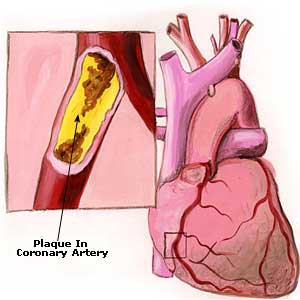
Chest pain is a frequent symptom associated with this health issue. The classic signs of chest pain or stress and Shortness of breath which frequently spreads to the arms, shoulders, or neck because of If the arteries are still narrow, it might take less action to pressure the heart and provoke symptoms.
The Majority of the time, patients realize They have the disorder only when they experience other cardiovascular ailments like a stroke or heart attack. All these symptoms fluctuate depending on which organ or artery is affected. When the arteries that supply blood are blocked by the condition, the circumstances are ripe to trigger a life threatening event.
Symptoms of Arteriosclerosis
Arteriosclerosis usually occurs in the limbs first. Initially there may be no symptoms and the disease develops slowly. It may start progressing in adulthood and the first signs and symptoms are usually noticed when there is a disruption in blood supply to the muscles and tissues because of arterial blockage. The most common arteriosclerosis symptoms are as follows:
- Individuals with arteriosclerosis may complain of chronic pain in the legs. The legs may also become visibly dark and cold to the touch. The pain may make it difficult for the individual to perform simple movements such as walking.
- There may also be a loss of hair on the hands and legs.
- Another common symptom of arteriosclerosis is muscle pain in the calves, thighs and feet. This may make it uncomfortable to sit or sleep. It is important to consult a doctor if the pain persists.
- Due to the reduced blood flow, there may also be numbness in the legs and feet. This is usually felt after sitting in one position for some time. The muscles may also feel stiff and achy.
Causes of Arteriosclerosis
Arteriosclerosis causes may include certain uncontrollable and controllable risk factors.
- Uncontrollable Risk Factors: These include age and gender. The arteries harden with age and become less elastic. Therefore the heart has to pump harder so that blood is supplied to all parts of the body. Men are at a greater risk of developing arteriosclerosis. This can be attributed to the estrogen in women which provides a sort of natural protection from the disease. However, the estrogen levels drop after menopause and hence the risk of arteriosclerosis increases. Since these risk factors are uncontrollable, there is not much that we can do about them. Nevertheless, a good understanding of what makes us susceptible and how to effectively manage the controllable risks makes a significant difference.
- Controllable Risk Factors : The risk of arteriosclerosis can increase considerably based on certain lifestyle choices. These risk factors include smoking, high-fat diet, diabetes, obesity and high blood pressure. In overweight individuals, the heart has to work harder and this exerts greater pressure on the arteries. Intake of cholesterol-rich foods causes buildup in the arterial walls. High blood sugar levels due to diabetes can also damage the walls of the arteries. Cigarette smoke contains several toxins that are harmful for the walls of the arteries. All of these factors place an individual at risk for coronary artery disease.
Remedies for Arteriosclerosis
Medication, surgical intervention and lifestyle modifications are all part of arteriosclerosis treatment.
- Medications for arteriosclerosis include those which help to slow down or reverse the fat buildup in the arterial walls. Anticoagulants may also be prescribed to reduce the risk of blood clots. Anti-platelet medication prevents blood from collecting within the narrowed arteries.
- A procedure known as balloon angioplasty may be performed on the affected limb in order to open up the coronary artery. In many cases, surgery is preferred over medications because of its effectiveness. Surgical treatment for arteriosclerosis may include bypass surgery, removal of the arterial lining and repair or replacement of the affected blood vessel.
- Lifestyle modifications for arteriosclerosis include several important measures.
- Exercise is essential for good health of the cardiovascular system. Individuals who do not engage in regular exercise are at a higher risk for cardiovascular disease. Exercise helps to regulate blood flow throughout the body and also boosts immunity.
- It is important to stop smoking immediately so that the arteries can loosen up and enable proper blood and oxygen flow.
- The diet should be low in saturated and hydrogenated fats. Intake of processed foods should also be avoided.
- Alcohol should be avoided as it is converted into saturated fat in the body, thereby leading to weight gain. Excessive consumption of alcohol may double the cholesterol levels in the blood.
- Excessive intake of coffee may be associated with arteriosclerosis. Some studies have shown that intake of five or more cups of coffee per day can raise the risk of heart disease.
There are some home remedies for arteriosclerosis that are believed to help in controlling the condition. However, they should not be used as a substitute medical treatment. Timely medical care is a must since arteriosclerosis is a progressive disease, which can eventually lead to heart failure. These home remedies may be used to supplement other treatment. It is advisable to consult your doctor before trying them out. Here are some popular remedies for keeping arteriosclerosis in check.
- Honey and lemon is known to be an effective treatment for narrowed arteries. It helps to loosen the plaque buildup in the arterial walls. You can consume a mixture of honey and lemon every evening.
- Bromelain contained in pineapple helps to prevent sticking of the blood platelets. It also prevents blood clots from forming and reduces inflammation when there is damage or irritation to the arteries.
- Cayenne contained in capsicum helps to improve circulation and lower the levels of bad cholesterol. It also strengthens the blood vessels of the extremities and increases oxygen and blood supply.
- Ginger helps to naturally thin the blood and prevents clumping of the platelets. It also reduces blood pressure and protects the arteries from hardening. Due to the antioxidants contained in it, ginger helps to prevent clotting.
- The herb gingko biloba is known to increase blood flow throughout the body. It restricts inflammation of the arteries and clot formation. It also helps to make the arteries more elastic and strong.
- Green tea helps to regulate blood pressure and protects the body from the effects of free radicals. Studies have shown that regular consumption of green tea helps to prevent cardiovascular disease.
Diet for Arteriosclerosis
Dietary modifications are inalienable to treatment for arteriosclerosis. Failing to make the required dietary modifications will greatly compromise the effectiveness of treatment. A diet for arteriosclerosis must include heart-healthy foods. Here are some diet tips for patients suffering from arteriosclerosis:
Suggestion for Arteriosclerosis
Stress is one of the risk factors for arteriosclerosis as it contributes to high blood pressure and high cholesterol. You can effectively manage your stress levels in various ways such as deep breathing, massage therapy, aromatherapy and yoga.