Earache
Earaches are a common medical condition, affecting children and adults alike. Earaches occur when there is an infection or swelling of different parts of the ear. There are different medical terms for different types of earaches. For example, the swelling of the eardrum or tympanic membrane is referred to as Myringitis. Otitis Media is the earache caused by an infection of the middle ear while Otitis Externa occurs when there is an infection of the outer ear.
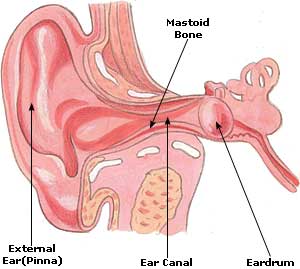
Symptoms of Earache
There are a number of symptoms that can occur depending on the type of earache that has developed.
Symptoms of Otitis Externa include:
- A pain in the external ear canal that develops slowly
- Mild cases of Otitis externa feel more like an itchy ear than a earache
- Pulling on the outer rim of the ear worsen the pain
- Loss of hearing
- Ringing sound in the ear
- Buzzing sound in the ear
- Swollen ear
- Blocked ear
- Drainage of liquid from the ear canal
Symptoms of Otitis Media include:
- Pain in the ear
- Loss of hearing
- Buzzing sound in the ear
- Ringing sound in the ear
- Blocked ear
- Fluid discharge from the ear
- Fever
- Children and infants with Otitis Media may suffer from fussiness and irritability, loss of appetite and sleep, increased crying, and even vomiting and diarrhea.
Symptoms of Myringitis:
- Severe pain in the ear
- Pain may suddenly disappear (if the bulla or inflamed blister suddenly ruptures)
- Fever
- Loss of hearing
- Drainage of blood from the ear canal
Other common symptoms that occur when the earache is caused by an infection may include:
- Loss of appetite
- Irritability (especially in small children)
- Loss of sleep
- Fever
- Vertigo and dizziness
- Drainage of liquid from the ear that is not ear wax
- Loss of hearing
- Itchiness
- Swelling of the ear
- Severe pain that is worsened when lying down
Causes of Earache
There are several causes for earache. Depending on the cause and the type of earache, the correct treatment can be prescribed by your doctor.
Causes of Otitis externa:
- Trapped moisture in the ear canal (due to bathing, swimming or even because of humid weather)
- Injury to the outer ear canal that can happen during cleaning the ear with unsafe objects such as a paper clip or pointy instrument. The cut or scrape that results from doing this may allow a bacterial infection to enter the ear
- Infection of the outer ear canal
- Ear disease
- Infection of the nose or throat
- Build up of fungus or wax in the ear
- Common cold / sinusitis
- Jawbone that have been injured
- Arthritis of the jaw
- Otitis media
- Blockage of the ear tube
- Eardrum injury
Causes of Otitis Media:
- Viral or bacterial infection
- Upper respiratory tract infection
- Common cold or sinusitis
- Inflammation of the Eustachian tube
- Allergies
- History of ear infections
- Bottle-feeding a baby in a lying down position
- Second hand smoke
- Abnormalities of the structure of the head and ears
Causes of Myringitis:
- Trauma to the eardrum
- Inflammation of the eardrum
- Infection of the eardrum
- Puncture of the eardrum during cleaning
- Rupture of the eardrum due to changes in pressure (during air travel) or because of a loud noise
- Blisters formed in the eardrum due to a bacterial or viral infection
- Blocked Eustachian tube that results in extra pressure on the eardrum
Other common causes of earache include:
- Referred pain caused by pain from the throat, the jaw, the teeth or other location
- Chronic ear infections
- A foreign object stuck in the ear such as an insect or lodged ear wax
- High altitudes
Home Remedies for Earache
Earaches should not be self-medicated or left untreated as the condition might worsen and lead to permanent loss of hearing in severe cases. Where children and infants are concerned it is important to visit your doctor at the earliest for a proper diagnosis and medical treatment. Home remedies can be use as complimentary therapy to facilitate the healing and recovery process, or simply for additional relief from the symptoms. Exercise caution when using any of these remedies however, as not all of them are scientifically investigated.
- A popular earache home remedy is to heat a teaspoon of sesame oil along with a clove of garlic. Remove the garlic clove and carefully put a few drops of the warm oil into the ear canal. Sesame oil warmed with castor plant leaves is also effective in treating earaches. Linseed oil heated with garlic and used in the same way also offers pain relief during earaches. The healing properties of garlic have been verified by vigorous testing.
- Symptoms of earaches such as fever and pain can be treated with over-the-counter pain medications such as ibuprofen or acetaminophen. When treating children, make sure the dosage corresponds to their weight and age. Upon diagnosing the cause of the earache, your doctor may prescribe eardrops or antibiotics to fight off any infection. Steroids may be required to reduce the swelling as well.
- It is also possible to find relief from ear pain with home remedies for earaches, such as applying a warm compress to the ear. While doing this, take care not to burn the skin by using water that is too hot. It is also important that no liquid enters the ear canal as this can further aggravate the situation. Moisten a ball of cotton wool with Vaseline and place firmly in the ear to keep water out (when bathing or applying a compress).
- Chewing gum can offer some relief when the pain of a earache gets too unbearable or when high altitude or pressure is causing the ear pain. Infants can suck on a pacifier or a bottle when changes in pressure occur during flight.
- Sleep in an upright position to avoid pressure building up in the ear canal.
- Home remedies for ear infections in adults include grinding fresh basil leaves into a paste before heating up the mix until warm. Pour the oil that is formed on heating into the ears, four or five drops at a time.
- Alternative earache cures such as drops of warm ginger juice or onion juice may be effective if done consistently during a earache. Do this before bedtime for the best results.
- If regular swimming causes the earache, you can prevent this from happening by coating the ears with a few drops of mineral oil beforehand. This prevents water from collecting in the ear canal and causing the pain.
Diet for Earache
- Changing your diet to include foods that boost the immune system can prevent chronic earaches and ear infections. Proteins that are rich in amino acids and foods high in omega-3 fatty acids help heal chronic health problems and improve the functioning of the immune system.
- If your child suffers from chronic earaches it is imperative to cut back on all over-processed meals and junk food. These are full of chemicals and additives that have been proven to have a detrimental effect on your childs overall health and development. Foods high in white sugar are especially toxic to the body. White sugar can encourage the occurrence of fungal infections in the ear, nose, and throat. Replace such unhealthy meals with a balanced healthy diet rich in fresh fruit and vegetables, nuts, seeds, and whole grains. Citrus fruit and juices contain vitamin C that builds immunity and reduces congestion in the ears and nasal passages.
- If the earache is caused by blockages, onion and garlic eaten raw or in supplement form can help dissolve the mucous build up and reduce ear pain. Berries, pineapples, and tomatoes are also good natural solvents of mucous.
- A number of people who suffer from earaches are also allergic to certain foods such as dairy and wheat. Eliminating these items from your diet completely can make significantly decrease the occurrence of earaches.
- Experts believe that dairy products produce extra mucous in the sinus and throat that can increase the pressure in the ears. Research also shows that children who have been breast-fed are less likely to develop ear infections.
Suggestion for Earache
If you or your child is suffering from a earache that is accompanied by high fever, dizziness, headache, swelling around the ear, severe pain that suddenly stops, or a weakness and lack of control over the muscles in the face make sure that you seek immediate medical attention. If your child remains fussy and irritable after 24 hours, develops a stiff neck, is very tired and does not stop crying, get him to an emergency room at the earliest.
If left untreated, a earache can result in a scarring of the eardrum, permanent loss of hearing, meningitis, paralysis, and speech impediments.
References
- Singh UP, Prithiviraj B, Sarma BK, Singh M, Ray AB. Role of garlic (Allium sativum L.) in human and plant diseases. Indian J Exp Biol. 2001;39:31022.
Earache - Frequently asked questions
13 Earache remedies suggested by our users
earache relief
suggested by Dawn on Monday, May 5, 2008
Kill earache virus pain
suggested by Deanna on Saturday, February 9, 2008
Earache
suggested by Debbie on Wednesday, January 16, 2008
earache remedy
suggested by Robert on Saturday, January 12, 2008
Earache Treatments. More...
An ear doctor gave me this remedy for earache relief. This also helps to clean the wax out of the ear: 3 parts white vinegar 1 part alcohol use 2 or 3 drops brings instant relief!